
5 Most Common BreastfeedingPositions and Their Benefits
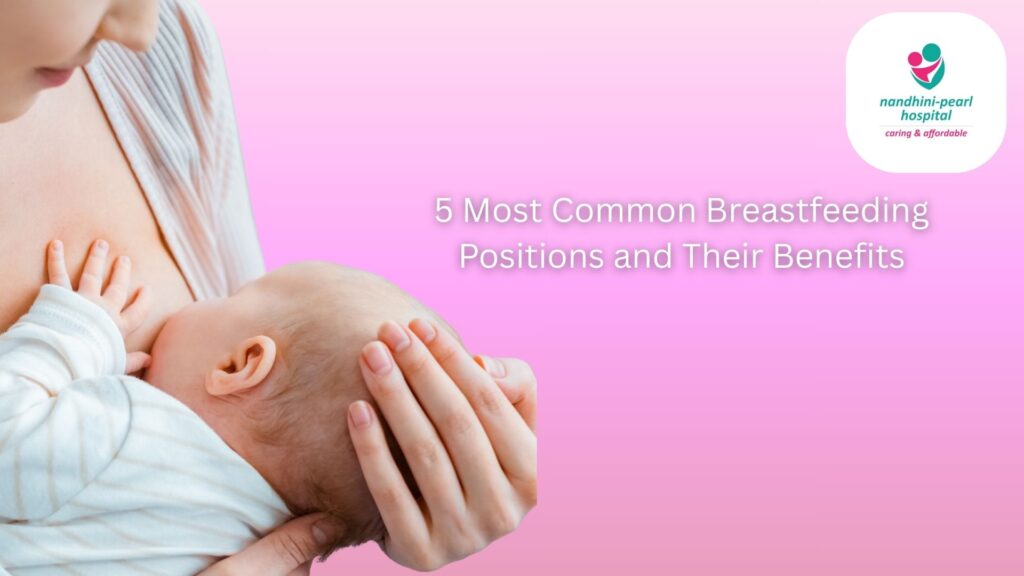
Breastfeeding is a beautiful and essential part of nurturing your baby, but many newmothers struggle to find the most comfortable position. The right breastfeeding positioncan ensure proper latch, reduce nipple pain, and promote effective feeding. Here are 5common breastfeeding positions and their benefits to help you and your baby enjoy asmoother, healthier nursing experience. Cradle Hold How to do it: 1.Sit upright and hold your baby’s head in the bend of your elbow, supporting their backand bottom with your arm.2.Baby’s tummy should face your tummy. Benefits: 1.Perfect for full-term babies.2.Easy and familiar for most mothers.3.Promotes bonding through skin-to-skin contact. Cross-Cradle Hold How to do it: 1.Similar to cradle hold but use the opposite arm to support your baby’s head.2.Your free hand can guide your breast and baby’s latch. Benefits: 1.Offers better control for positioning and latching.2.Excellent for newborns or babies with latch difficulties. Football Hold (Clutch Hold) How to do it: 1.Tuck your baby under your arm like a football, supporting their neck and shoulders with your hand.2.Use pillows for extra support. Benefits: 1.Ideal for mothers recovering from a C-section.2.Great for twins or babies who need more head control.3.Reduces pressure on your abdomen. Side-Lying Position How to do it: 1.Lie on your side with your baby facing you, tummy-to-tummy.2.Use your arm or a pillow to support your head and baby Benefits: 1.Perfect for nighttime feeding or resting while nursing.2.Comfortable for mothers recovering from delivery or stitches.3.Encourages relaxation for both mom and baby. Laid-Back Position (Biological Nurturing) How to do it: 1.Recline comfortably and place your baby on your chest, skin-to-skin.2.Let your baby’s natural reflexes guide them to latch. Benefits: 1.Promotes natural breastfeeding reflexes.2.Helps reduce reflux in babies.3.Encourages bonding and relaxation. 💡 Pro Tips for Successful Breastfeeding: 1.Always ensure your baby’s nose is clear and their chin is touching your breast.2.Use pillows or cushions to support your arms and back.3.Switch breasts during feeding to maintain milk supply.4.Seek help from a lactation consultant if you experience discomfort or latchingproblems. Frequently Asked Questions
PCOD in Chennai – Signs & Fertility Support
Trusted Guidance from Nandhini Pearl Hospital, Chennai PCOD in Chennai is becoming increasingly common among young women due to lifestyle changes, stress, and hormonal imbalances. Despite its prevalence, many still overlook the early signs, which can delay proper diagnosis and treatment. In this post, we’ll guide you through identifying early symptoms and the best treatment options available locally. This blog aims to guide you in identifying the early signs of PCOD and gaining a clear understanding of how it can impact your fertility. What is PCOD and Why It’s Increasing in Chennai? PCOD (Polycystic Ovarian Disease) is a hormonal disorder where the ovaries develop multiple small cysts due to immature eggs. It affects hormone balance, ovulation, and can lead to long-term complications like infertility, diabetes, and heart disease if not managed early. Early Signs of PCOD in Chennai You Shouldn’t Ignore Recognizing the symptoms early is the first step toward better health. Here are some of the common signs: Irregular or missed periods Excess facial or body hair (hirsutism) Weight gain, especially around the belly Acne and oily skin Hair thinning or hair loss Mood swings or depression Difficulty getting pregnant If you notice two or more of these symptoms, it’s important to consult a gynecologist. At Nandhini Pearl Hospital, we offer affordable screening and diagnosis for PCOD. How PCOD in Chennai Affects Women’s Fertility Many women only discover they have PCOD when they face difficulty conceiving. Here’s how PCOD interferes with fertility: Irregular ovulation: Makes it harder to predict the fertile window. Poor egg quality: Hormonal imbalances can affect the maturity of eggs. Endometrial issues: The uterine lining may not be optimal for implantation. Insulin resistance: Affects hormone balance and increases miscarriage risk. Fertility Solutions for PCOD in Chennai – Nandhini Pearl Hospital At Nandhini Pearl Hospital, we offer a complete approach to managing PCOD and supporting fertility: 1. PCOD Screening & Diagnosis Ultrasound scanning and hormone tests Early intervention plans 2. Lifestyle & Diet Counseling Customized diet charts for hormonal balance Weight management and fitness guidance 3. Ovulation Induction & Hormone Therapy Safe medications to stimulate ovulation Hormonal regulation to restore balance 4. Advanced Fertility Treatments IUI (Intrauterine Insemination) IVF (In Vitro Fertilization) for complex cases 5. Mental Health Support PCOD can be emotionally draining; we offer professional counseling and emotional care throughout your journey. When to Seek Help for PCOD in Chennai If you have irregular periods, trouble losing weight, or are unable to conceive after 6-12 months of trying, it’s time to visit a PCOD specialist. At Nandhini Pearl Hospital, our expert team is here to guide you through every step—from diagnosis to treatment and successful conception. Why Women in Chennai Trust Nandhini Pearl Hospital Experienced gynecologists specializing in PCOD and fertility One-on-one consultation and care plans Affordable treatment options Compassionate approach to women’s wellness Trusted name in Chennai for PCOD and infertility care Managing PCOD in Chennai – Take Control of Your Health Today Early detection of PCOD can prevent complications and improve your chances of a healthy pregnancy. Don’t wait—book your consultation with Nandhini Pearl Hospital, Chennai’s trusted women’s health center. Frequently Asked Questions 1. What is the difference between PCOD and PCOS? PCOD (Polycystic Ovarian Disease) is a condition where ovaries produce many immature eggs, while PCOS (Polycystic Ovary Syndrome) is more severe and involves hormonal imbalance that can affect ovulation, fertility, and metabolism. 2. What are the early signs of PCOD? Common symptoms include irregular periods, weight gain, acne, excessive facial hair, hair thinning, and difficulty in conceiving. 3. Can PCOD cause infertility? Yes, PCOD can affect ovulation, making it harder to conceive naturally. However, with early diagnosis and treatment, many women with PCOD can successfully become pregnant. 4. How is PCOD diagnosed at Nandhini Pearl Hospital? Our gynecologists use detailed patient history, physical exams, hormone tests, and pelvic ultrasounds to confirm a PCOD diagnosis 5. What are the treatment options for PCOD-related fertility issues? Treatments include lifestyle changes, medications to regulate hormones or induce ovulation, and advanced fertility treatments like IUI or IVF if needed.
Why Nandhini Pearl is the Best Gynecologist Hospital in Velachery: Expert Gynecology Treatments for Women and Children
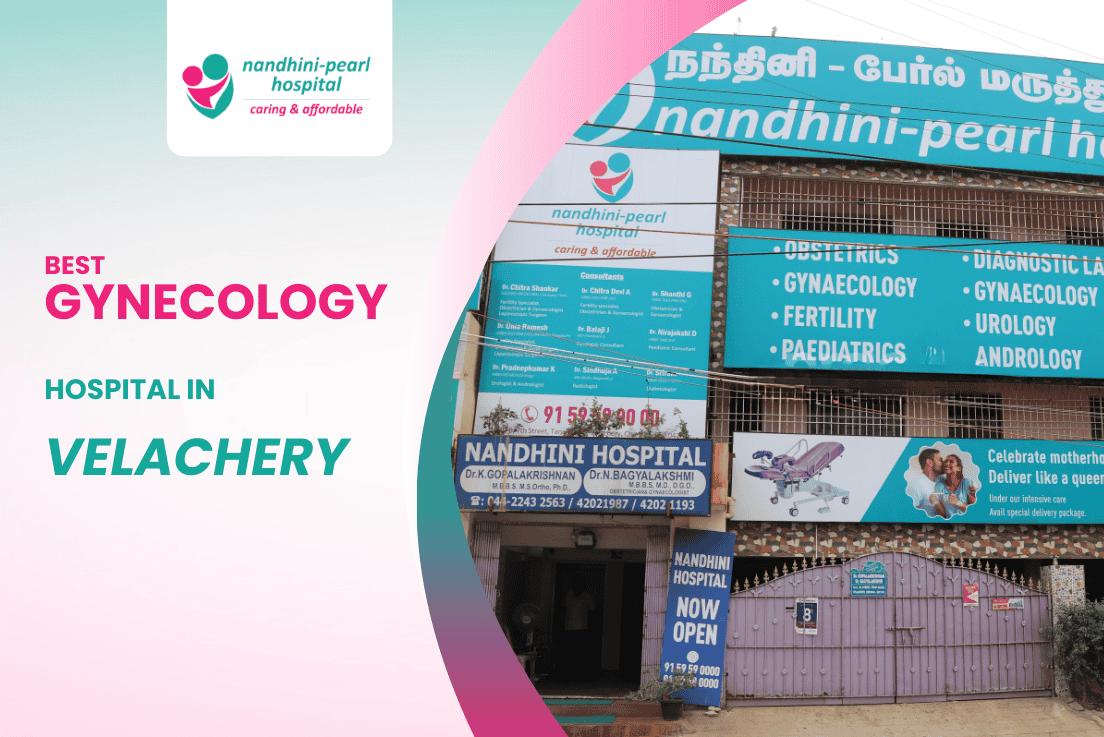
Comprehensive Women’s Healthcare Services at Nandhini-Pearl, the Leading Gynecology Hospital in Velachery Welcome to Nandhini-Pearl Hospital, the most trusted gynecology hospital in Velachery with over 35 years of excellence in women’s healthcare. We’ve supported more than 50,000 successful births and continue to provide expert care in gynecology treatment for pregnancy, gynecology treatment for infertility, and private treatment gynecology for both married and unmarried couples. Our compassionate team of specialists ensures that every woman receives personalized attention in a safe, respectful environment—making us one of the top choices for women’s health in Chennai. Over 35 Years of Excellence at Our Gynecology Hospital in Velachery At Nandhini-Pearl, gynecology care isn’t just about treatment—it’s about understanding women’s unique health journeys at every life stage. Located in the heart of Velachery, this hospital has become a go-to destination for families looking for reliable and affordable care with the comfort of a private setup. Whether you’re a young woman with concerns about your menstrual health or an expectant mother looking for expert gynecology treatment for pregnancy, the team ensures personalized care in a safe, private environment. Advanced Diagnostic and Treatment Technologies at Nandhini-Pearl Gynecology Hospital in Velachery We offer full care for every stage of a woman’s life: Pregnancy Care: From the first scan to delivery and after, we stay with you every step of the way. Fertility Treatment (IVF): We help couples who are trying to have a baby with advanced treatments like IVF. Laparoscopy: For procedures like fibroid removal or uterus checks, we use safe and fast-healing techniques. Other Women’s Health Services: We also provide menopause care, cancer checks, cosmetic gynecology, and general women’s health check-ups. Conveniently located in Velachery, Nandhini Pearl is the preferred choice for those seeking a gynecologist hospital in Velachery. Whether you’re searching for the best female gynecologist in Chennai or wondering who is the most famous gynecologist in Chennai, our medical team includes leading obstetrician gynecology doctors and Obs-gyn doctors with years of clinical expertise. We understand that when people look up a gynecologist hospital near me, especially in areas like Velachery and surrounding neighborhoods, they want trust, comfort, and expert care. That’s exactly what we deliver—making us a go-to option for those searching for the best gynecologist near me in Velachery. Private Treatment Gynecology with Compassionate Care Many women prefer the confidentiality and attention that come with private treatment gynecology. Nandhini-Pearl Hospital respects this deeply. From consultation to treatment, your privacy is prioritized. The hospital ensures: One-on-one sessions with senior gynecologists Discreet consultations for sensitive health issues Comfortable, hygienic rooms with modern amenities It’s the perfect blend of professional expertise and personal comfort. Meet Our Expert Team at the Top Gynecology Hospital in Velachery Pregnancy is a life-changing journey, and having the right team by your side matters. Nandhini-Pearl offers comprehensive gynecology treatment for pregnancy—from conception to delivery and postpartum care. Highlights of their pregnancy care services include: High-accuracy pregnancy scans and fetal monitoring Painless normal delivery options Emergency obstetric care Postnatal support and lactation counseling Meet Our Main Doctors in the hospital at the Top Gynecology Hospital in Velachery Dr. Chita Shankar With over 30 years of experience, Dr. Chita Shankar has helped deliver more than 20,000 babies. She has studied in the UK and Germany and is known for her calm, caring, and expert approach to every patient. Dr. Uma Ramesh Dr. Uma Ramesh has over 25 years of experience and has helped more than 18,000 women become mothers. She has trained in Germany and Singapore and leads our fertility center. Her honest, kind, and clear guidance has helped many families find hope. Specialized Gynecology Treatment for Unmarried Couples In today’s world, healthcare must be inclusive. Nandhini-Pearl offers non-judgmental, confidential, and professional gynecology treatment for unmarried couples. Whether it’s managing PCOS, menstrual disorders, fertility evaluations, or contraceptive counseling, the hospital ensures that every woman—regardless of her marital status—feels heard, respected, and supported. Services include: Confidential fertility evaluations Menstrual and hormonal disorder management Safe treatment for reproductive concerns Emotional and psychological counseling when needed Advanced Facilities at the Gynecology Hospital in Velachery We believe in offering comfort and care together. Our hospital has: Clean and modern rooms High-tech scanning and diagnostic tools A fully equipped IVF lab with the latest technology Pharmacy, lab, and scanning — all in one place for your convenience Patient-Centered Care at Nandhini-Pearl: The Best Gynecology Hospital in Velachery We treat every woman like family. Our doctors spend time to understand your needs. Whether you are visiting us for a regular check-up or a major treatment, you will receive full attention and support. We also guide you emotionally, especially during pregnancy or fertility treatment. Why Choose Nandhini-Pearl Hospital in Velachery? Here’s what makes it the top gynecology hospital in Velachery: ✅ 35+ years of expertise in women’s healthcare✅ Experienced specialists in pregnancy, fertility, and laparoscopic procedures✅ Comfortable private treatment options✅ Friendly environment for unmarried and young women✅ Affordable, transparent pricing✅ Round-the-clock care and emergency services Happy Patients, Trusted Reviews Our patients often say they felt comforted and supported from the moment they walked in. With high success rates and hundreds of 4.4-star reviews, our hospital continues to be a place families trust for women’s health. Read more reviews here We Care Beyond the Hospital We also believe in giving back to our community. We conduct: Free health camps and awareness programs Prenatal workshops to prepare new moms Regular updates and health tips on our website and social pages At Nandhini-Pearl Hospital, our mission is to give every woman the care she deserves — with skill, love, and respect. If you’re looking for the best gynecology hospital in Velachery, we are here for you. Whether you’re planning to start a family, facing fertility concerns, or simply want to take control of your reproductive health, Nandhini-Pearl Hospital is your trusted partner. As the most recommended gynecology hospital in Velachery, it delivers quality care with compassion, confidentiality, and credibility. 📍 Located near Vijayanagar Bus Stand, Velachery – easily accessible from anywhere in Chennai. Frequently
10 Possible Reasons Why Your Periods is late

Periods are a natural and vital aspect of a woman’s reproductive health. However, when your period doesn’t arrive as expected, it can lead to anxiety and a plethora of questions. A late or missed period doesn’t always mean pregnancy; it can be influenced by various physical, emotional, and lifestyle factors. Understanding these reasons is crucial to maintaining peace of mind and seeking appropriate solutions. In this article, we’ll explore ten possible reasons why your period may be late, backed by science and expert opinions. 1. Stress Stress is one of the most common culprits behind delayed periods. When you experience chronic stress, your body increases the production of cortisol, the stress hormone. Elevated cortisol levels can interfere with the hypothalamus, the part of your brain responsible for regulating your menstrual cycle. This disruption can delay ovulation or even halt your period altogether. Solution: Practice relaxation techniques like yoga, meditation, or deep-breathing exercises to manage stress effectively. 2. Hormonal Imbalance Conditions such as polycystic ovary syndrome (PCOS) or thyroid dysfunction can lead to hormonal imbalances, causing irregular or missed periods. PCOS is characterized by high levels of male hormones, which disrupt ovulation. On the other hand, hypothyroidism (underactive thyroid) and hyperthyroidism (overactive thyroid) can both affect the regularity of your menstrual cycle. Solution: Consult a healthcare professional for proper diagnosis and treatment options, such as hormone therapy or lifestyle changes. 3. Weight Fluctuations Significant weight gain or loss can have a profound impact on your menstrual cycle. Body fat plays a key role in the production of estrogen, a hormone that regulates your periods. Extremely low body fat can stop ovulation, while excessive body fat may lead to estrogen dominance, disrupting your cycle. Solution: Maintain a balanced diet and a healthy weight through regular exercise and mindful eating habits. 4. Intense Physical Activity Engaging in rigorous physical activity, such as marathon training or high-intensity workouts, can delay your period. Excessive exercise can reduce the energy available for reproductive functions, leading to a condition known as hypothalamic amenorrhea. Solution: Scale back on intense workouts and ensure you consume enough calories to support your activity levels. 5. Birth Control If you’ve recently started, stopped, or switched birth control methods, it can take some time for your body to adjust. Hormonal contraceptives, including pills, implants, or intrauterine devices (IUDs), can alter your menstrual cycle temporarily. Solution: Speak with your doctor about what to expect and consider alternative birth control options if irregular cycles persist. 6. Pregnancy While it’s the most obvious reason for a missed period, pregnancy is not always the case. However, if you’re sexually active and your period is late, taking a home pregnancy test is a prudent first step. False negatives can happen, so if you’re still unsure, consult a healthcare provider for a blood test. Solution: Confirm your pregnancy status early to explore the next steps and ensure proper prenatal care if needed. 7. Perimenopause For women in their late 30s or 40s, perimenopause (the transitional phase before menopause) could be the reason behind irregular or missed periods. During this time, the ovaries produce fewer hormones, causing the cycle to become unpredictable. Solution: Track your cycle and consult a doctor to discuss hormonal therapies or lifestyle adjustments to manage symptoms. 8. Illness Acute illnesses like the flu, or chronic conditions such as diabetes or celiac disease, can delay your period. When your body is under physical strain, it prioritizes vital functions over reproduction, leading to a delayed cycle. Solution: Treat the underlying illness and maintain regular check-ups to prevent disruptions in your overall health. 9. Medications Certain medications, such as antidepressants, antipsychotics, or treatments for epilepsy, can interfere with your menstrual cycle. These drugs may influence hormone levels or directly affect the hypothalamus and pituitary gland. Solution: Discuss any menstrual irregularities with your doctor to explore alternative medications or dosage adjustments. 10. Changes in Routine Major lifestyle changes, like shifting to a new time zone, altering sleep patterns, or experiencing drastic changes in your daily routine, can affect your circadian rhythm. This, in turn, can disrupt the hormonal balance that regulates your cycle. Solution: Stick to a consistent routine as much as possible and give your body time to adjust to new circumstances. Conclusion A late period can evoke a mix of emotions, from relief to concern. While pregnancy is a common reason, it’s not the only explanation. Stress, lifestyle factors, medical conditions, and hormonal changes can all play a role in menstrual irregularities. The key is to listen to your body and seek medical advice when necessary. Regular health check-ups, a balanced lifestyle, and stress management can go a long way in maintaining a healthy and predictable menstrual cycle. At Nandhini-Pearl Hospital , we understand that a delayed period can raise many questions and concerns. Our team of experienced gynecologists and healthcare professionals is here to provide you with the care, guidance, and answers you need. Whether it’s managing stress, diagnosing hormonal imbalances, or addressing any underlying health conditions, we are committed to ensuring your well-being. Your health is our priority, and we strive to empower women with the knowledge and support needed to make informed decisions. If you’re experiencing irregularities in your menstrual cycle or have concerns about your reproductive health, don’t hesitate to reach out to Nandhini Pearl Hospital. Together, let’s work towards achieving balance and vitality in every aspect of your health.
PCOD Problem Symptoms in Tamil

PCOD (Polycystic Ovary Disease) என்பது பெண்களுக்குள் மிகவும் பரவலாக காணப்படும் ஒரு பிரச்சனை. இது பெண்களின் ஹார்மோன் மாற்றங்களுக்கு காரணமாகும், இது அவர்களின் மாதவிடாய் சுழற்சியை பாதிக்கிறது. இப்பிரச்சனை உடலின் ஆரோக்கியத்திற்கும், கர்ப்பமானதிற்கும் பாதிப்பை ஏற்படுத்தக்கூடும். PCOD பிரச்சனையின் முக்கிய அறிகுறிகள் PCOD பிரச்சனை உள்ள பெண்களுக்கு அடிக்கடி தோன்றும் சில பொதுவான அறிகுறிகள் பின்வருமாறு: மாதவிடாய் சுழற்சி குறைபாடு: மாதவிடாய் நாள்கள் தாமதமாக வருதல் அல்லது நிறுத்தம். ஒவ்வொரு மாதமும் மாதவிடாய் நிகழாமல் இருத்தல். அதிக உடல் எடை: எளிதில் உடல் எடை அதிகரித்தல். குறிப்பாக வயிற்றுப் பகுதியில் கொழுப்பு சேரல். முகத்தில் மற்றும் உடலில் முடிகள் அதிகரித்தல் (Hirsutism): முகம், கைகள், முதுகு போன்ற இடங்களில் அதிக முடி வளர்ச்சி. முடி உதிர்வு: தலைமுடி சீண்டி விழுதல் அல்லது மெல்லிய தலைமுடி. முகப்பரு (Acne): முகம், முதுகு மற்றும் மார்பில் முகப்பரு அதிகரித்தல். உடல் சோர்வு மற்றும் மந்தநிலை: எப்போதும் சோர்வு உணர்தல். குண்டான உணர்ச்சி ஏற்படுதல். கருவுறுதல் சிரமம்: கர்ப்பமாக விரும்பும் போது பிரச்சனைகள். தோல் பிரச்சனைகள்: கழுத்து மற்றும் கைகள் சுற்றி கருமை தோல் அடர்த்தியாக இருப்பது. PCOD பிரச்சனைக்கு என்ன காரணம்? PCOD பிரச்சனை பல காரணங்களால் ஏற்படலாம். அவை: PCOD பிரச்சனையின் விளைவுகள் பிரச்சனை விளக்கம் Diabetes ரத்தத்தில் சர்க்கரை அளவு அதிகரிப்பு Fertility Issues கர்ப்பமாக மாத்திரை உதவியே வேண்டி வருதல் High Blood Pressure இரத்த அழுத்தம் அதிகரித்தல் PCOD பிரச்சனைக்கு தீர்வுகள் உணவுப் பழக்கத்தை சீர்செய்தல்: Whole grains, fresh fruits, and vegetables ஆகியவற்றை உணவில் சேர்க்கவும். உடற்பயிற்சி: தினமும் யோகா அல்லது நடைப்பயிற்சி செய்யவும். மருத்துவ ஆலோசனை: பிரச்சனை அதிகமாக இருந்தால், மருத்துவ ஆலோசனை பெறவும். Hormonal Therapy: Hormonal medications மூலம் மாதவிடாய் சீராக மாற்றலாம். PCOD பிரச்சனையை கட்டுப்படுத்தும் வழிகள்: சத்தான உணவுமுறை: முழு தானியங்கள், பழங்கள், காய்கறிகள் சேர்த்த உணவு. ப்ராசஸ்ட் உணவுகள் தவிர்க்கவும். உடற்பயிற்சி தினமும் 30 நிமிடம் நடைபயிற்சி செய்யவும். யோகா மற்றும் ஸ்ட்ரெச்சிங் பயிற்சிகள் உதவும். ஸ்ட்ரெஸ் குறைதல் தியானம் மற்றும் ஸ்ரதா பயிற்சிகள். மருத்துவ ஆலோசனை மாதாந்திர ஹார்மோன் சோதனை செய்துகொண்டு அவசியமான மருந்துகள் உபயோகிக்கவும். PCOD பிரச்சனையின் சிகிச்சை: உணவு கட்டுப்பாடு: சர்க்கரை மற்றும் கார்போஹைட்ரேட் குறைந்த உணவுகள். மருந்துகள்: ஹார்மோன் சமநிலையை ஏற்படுத்தும் மருந்துகள். (மருத்துவர் ஆலோசனை அவசியம்) நீரிழிவு பராமரிப்பு: இன்சுலின் அளவை சமநிலை செய்யும் நுண்ணிய மருந்துகள். அண்டவிடுப்பு (Ovulation) சிகிச்சை: கருவுறுதல் சிரமத்திற்கு உதவுகிறது. முடிவுரை: PCOD பிரச்சனை ஒரே நேரத்தில் சரியாகவில்லை என்பதால், வாழ்க்கை முறையில் மாற்றங்களை செய்து தொடர்ச்சியாக கடைபிடிக்க வேண்டும். சரியான உணவு, உடற்பயிற்சி, மற்றும் மருத்துவ ஆலோசனை மூலம் இந்த பிரச்சனையை நன்கு கட்டுப்படுத்த முடியும். இந்த தகவல்கள் உங்கள் ஆரோக்கியம் மேம்பட உதவும் என்று நம்புகிறோம். சந்தேகங்கள் இருந்தால், தகுந்த மருத்துவரை அணுகவும். Consult with our gynecology hospital in Chennai for expert diagnosis and treatment options to manage PCOD effectively. Nandhini -Pearl hospital in chennai offers the best treatment for all your PCOD problems. அடிக்கடி கேட்கப்படும் கேள்விகள் (FAQs): PCOD பிரச்சனை என்ன சிக்கல்களை ஏற்படுத்தும்? மாதவிடாய் சுழற்சி மாற்றம், கருவுறுதல் சிரமம். PCOD பிரச்சனையை சரிசெய்ய முடியுமா? முழுமையாக சரியாகாமல் இருந்தாலும், உணவுமுறை மற்றும் வாழ்க்கை முறை மாற்றம் மூலம் கட்டுப்படுத்த முடியும். PCOD பிரச்சனைக்கு எந்த மருத்துவரை அணுக வேண்டும்? மகப்பேறு மருத்துவரை அணுகவும். PCOD பிரச்சனை கர்ப்பத்தை பாதிக்குமா? பாதிக்க வாய்ப்பு உள்ளது, ஆனால் சிகிச்சை மூலம் சரிசெய்யலாம்.
Who Are Gynecologists? What Do They Do?

Have you ever wondered who gynecologists are and what they do? If you’re a woman or someone who knows a woman (which is pretty much everyone), you’ve likely heard about gynecologists. These medical professionals play a crucial role in women’s health, helping with everything from routine check-ups to more complex reproductive health concerns. In this article, we’ll dive into the world of gynecology, breaking down what gynecologists do, their role in healthcare, and when you should visit one. Who is a Gynecologist? A gynecologist is a medical doctor who specializes in the health of the female reproductive system. They go through years of education and training, starting with medical school, followed by a residency in obstetrics and gynecology. Many gynecologists also pursue further specialization in areas like oncology (cancer treatment) or reproductive endocrinology (fertility treatment). Education and Qualifications of a Gynecologist To become a gynecologist, doctors must complete: A four-year medical degree A four-year residency in obstetrics and gynecology Optional additional fellowships in subspecialties like reproductive health or oncology Specializations within Gynecology Gynecologists can choose to specialize in areas such as: Obstetrics: Focusing on pregnancy and childbirth Gynecological Oncology: Treating cancers of the reproductive organs Reproductive Endocrinology: Specializing in fertility and hormonal issues Role of a Gynecologist In the realm of healthcare, gynecologists play a vital role in caring for women’s well-being, with a primary focus on their reproductive systems. These medical professionals address a broad spectrum of concerns, encompassing matters related to menstruation, contraception, pregnancy, and menopause. Women’s Reproductive Health Specialist As specialists in reproductive health, gynecologists diagnose and treat conditions affecting the uterus, ovaries, fallopian tubes, and other parts of the female reproductive system. They possess the knowledge and skills to diagnose and treat a wide range of conditions that impact the uterus, ovaries, fallopian tubes, and various other components of the female reproductive system. What Do Gynecologists Do? You might ask yourself, “What do gynecologists do?” Their day-to-day responsibilities vary but usually involve: Routine gynecological exams: These include Pap smears, pelvic exams, and breast exams to monitor reproductive health. Diagnosing reproductive health issues: Gynecologists often diagnose conditions such as ovarian cysts, fibroids, or sexually transmitted infections (STIs). Gynecologist Job Description The job of a gynecologist is complex, involving various medical tasks. Some of the key aspects of their work include: Monitoring patients’ reproductive health Offering counseling on contraception and family planning Providing care during pregnancy and childbirth Types of Gynecologists There are different types of gynecologists who focus on specific areas of women’s health. Obstetrician-Gynecologists (OB-GYNs) These professionals deal with both obstetrics (pregnancy and childbirth) and gynecology (reproductive health). Urogynecologists These specialists focus on urinary issues in women, like incontinence or pelvic floor disorders. Reproductive Endocrinologists Reproductive endocrinologists are fertility specialists who treat hormonal disorders related to reproduction. Gynecologist Responsibilities A gynecologist’s responsibilities go beyond just exams. They also provide: Patient care and counseling: Offering emotional and psychological support for reproductive health concerns. Performing gynecological surgeries: From removing fibroids to conducting hysterectomies, gynecologists perform a range of surgical procedures. Women’s Health Specialist Gynecologists are often considered the primary women’s health specialists because they deal with issues beyond just the reproductive system. They help manage conditions like hormonal imbalances and can guide patients through menopause and other significant life stages. Preventative Healthcare Preventive care serves as the primary thing of a gynecologist’s responsibilities. They possess the expertise to conduct thorough examinations, enabling them to detect early signs of potentially severe conditions such as cancers, infections, and reproductive health complications with precision. When to Visit a Gynecologist It’s recommended that women start seeing a gynecologist in their teenage years and continue regular visits throughout their lives. Here are some signs you should see a gynecologist: Irregular periods or severe menstrual pain Unusual discharge or discomfort Concerns about contraception or family planning Related Article : What is gynecology ? A comprehensive Guide Importance of Annual Visits Annual gynecologist visits are essential for maintaining reproductive health. During these visits, women can undergo routine screenings like Pap smears and breast exams, which are critical for early detection of issues like cervical cancer. Gynecological Surgeries Gynecologists perform various surgical procedures, some of which are minimally invasive. Common surgeries include: Hysterectomy: Removal of the uterus Laparoscopy: A minimally invasive surgery for diagnosing and treating pelvic issues Annual Gynecologist Visit Annual visits to healthcare providers offer women more than just routine medical examinations. They present an opportunity for women to proactively manage their health and well-being. These visits play a vital role in identifying potential health issues at an early stage, before they escalate into more serious conditions. What to Expect During an Annual Visit During your yearly gynecological checkup, a pelvic exam, breast exam, and occasionally a Pap smear may be performed. Your gynecologist will likely inquire about your general well-being, lifestyle habits, and family planning considerations. Gynecologist vs. Other Female Healthcare Providers Some might wonder if they should see a gynecologist or a general practitioner for their health concerns. While GPs can handle basic women’s health issues, a gynecologist is the best choice for reproductive system-related concerns. When to See a Specialist If you’re experiencing symptoms like chronic pelvic pain, irregular periods, or difficulties conceiving, it’s time to see a gynecologist rather than a general practitioner. Importance of Gynecologists in Preventive Care In preventive healthcare, gynecologists hold a crucial position, ranging from conducting cancer screenings to addressing reproductive health disorders. Timely detection can significantly impact treatment results. The Role of Technology in Modern Gynecology Advances in technology have made it easier for gynecologists to diagnose and treat conditions. From robot-assisted surgeries to telemedicine, technology is transforming women’s healthcare. Conclusion In summary, gynecologists are essential healthcare providers who focus on women’s reproductive health. Their expertise helps women navigate complex life stages, from menstruation to menopause. Regular visits to a gynecologist can prevent serious health issues and promote overall well-being. Nandhini Pearl Hospital provides comprehensive and compassionate gynecological care tailored to each patient’s needs as we are known as the best gynecologist hospital in chennai
Top 5 Best Obstetrician Gynaecologist Doctors in Chennai

Chennai, the fourth-largest city in India, is known for its world-class medical facilities and bustling healthcare industry. With so many hospitals and clinics for women’s health in the city , it can be overwhelming to choose the right obstetrician and gynaecologist (OB-GYN) for your specific needs. In this blog, we’ve highlighted top 5 obstetrician-gynecologists in Chennai, each offering exceptional care for women’s health. Whether you’re looking for support through pregnancy, gynecological treatment, or general wellness advice, these trusted experts are among the best in the city. But before we looked at the list, we also discussed important factors to consider when choosing the right OB-GYN for you. By keeping these factors in mind—like experience, specialties, and patient reviews—you can confidently select a doctor that best meets your needs. Factors to Consider When Choosing the Best Obstetrician Gynaecologist(OB-GYN) in Chennai 1. Identify Your Specific Healthcare Needs Your health needs may vary depending on your stage of life and any ongoing conditions. Some OB-GYNs specialize in areas like high-risk pregnancies, fertility treatments, or menstrual health, while others may focus on cosmetic gynaecology or minimally invasive procedures. Understanding your own needs will help you select a doctor with the right expertise. For example, if you’re planning a pregnancy or managing an ongoing condition like polycystic ovary syndrome (PCOS), finding an OB-GYN with specific experience in those areas will lead to better outcomes. Tip: Consider your current and future health goals when selecting a doctor. Specialized care can be crucial, especially for complex conditions. 2. Prioritize Good Communication The best OB-GYN is one who listens to your concerns, answers your questions clearly, and ensures that you understand every step of your treatment plan. A doctor’s communication style is often just as important as their medical expertise. During your consultation, assess how they explain diagnoses and treatment options. Are they approachable? Do they take the time to make sure you’re comfortable? Good communication builds trust and ensures that you are fully involved in your own healthcare decisions. Tip: During your initial consultation, observe the doctor’s ability to explain medical concepts in a way that is easy to understand. A supportive communication style is key to a positive experience. 3. Review Their Reputation and Experience Reputation plays a significant role when choosing a healthcare provider. Many women prefer to ask friends or family for recommendations, while others rely on online reviews or testimonials. Look for an OB-GYN who has a proven track record in handling specific areas of care, such as fertility treatments, high-risk pregnancies, or gynecological surgeries. An experienced doctor will have the necessary expertise to handle complex cases, ensuring that you receive the highest quality of care. Tip: Read online reviews and testimonials to gain insights into the doctor’s reputation and success rate in handling cases similar to yours. 4. Access to Modern Medical Technology Advanced medical technology can improve the accuracy of diagnosis and the effectiveness of treatments. Make sure the clinic or hospital your doctor is associated with is equipped with state-of-the-art technology like ultrasonography or laparoscopic surgery tools. This is especially important if you’re seeking treatments such as fertility assessments or advanced surgical procedures. With access to modern technology, your doctor can provide more accurate diagnoses and minimally invasive treatment options that reduce recovery time. Tip: Ensure your chosen OB-GYN has access to advanced technology that suits your healthcare needs, particularly for specialized treatments like fertility or minimally invasive surgery. 5. Consider Convenience and Accessibility Convenience matters, especially if you need to visit your doctor frequently. The clinic or hospital should be conveniently located, and appointments should be easy to schedule. Also, check if the doctor provides emergency consultations or after-hours care, which can be essential in situations like pregnancy or recovery from surgery. Choosing a doctor who practices in a well-equipped facility with comprehensive services, such as prenatal care, family counseling, and fertility treatments, will give you the advantage of having all your healthcare needs met under one roof. Tip: Make sure your OB-GYN’s clinic is easily accessible and offers flexibility in appointments, especially if you anticipate regular visits. Top 5 Best Obstetrician & Gynaecologist Doctors in Chennai #1. Dr. Chitra Shankar – Fertility Specialist ,Normal Delivery and High-Risk Pregnancy Expert Dr. Chitra Shankar has dedicated over 30 years to women’s health, helping deliver more than 20,000 babies during her illustrious career. She is one of the best obstetrician gynaecologist doctors in Chennai . With her impressive qualifications—MD (OG), MRCOG from the UK, and a Diploma in Reproductive Medicine from Germany—Dr. Shankar is renowned for her expertise in managing high-risk pregnancies and infertility treatments. Specializations: High-Risk Pregnancy Care: Dr. Shankar is highly experienced in handling pregnancies that present complications, such as gestational diabetes, multiple pregnancies, or preeclampsia. Fertility Treatments: She is skilled in ART (Assisted Reproductive Technology) and regularly attends international conferences to stay updated on the latest advances in the field. Laparoscopic Surgery: Dr. Shankar has a keen interest in minimal access surgery, having earned her FMAS (Fellowship in Minimal Access Surgery). Dr. Shankar’s tenure at Armed Forces Hospital in Oman honed her expertise in managing critical pregnancy cases, which earned her accolades from both patients and mentors. Her compassionate approach and deep commitment to patient care are evident in her involvement with Sampath Gowri Clinic and her dream project, the Pearl Singapore Fertility Centre, where she ensures that quality fertility treatments are available at affordable costs. Patient Testimonial: “We went for 2nd baby and Dr.Chitra Shankar mam was our Gynaecologist and she was very kind and taken care till delivery. Though the hospital management was new but still they have responded properly and provided all the bills and reports on time.” – Read more For more details on her approach to fertility and pregnancy care, visit Dr. Chitra Shankar’s Profile. #2 . Dr. Uma Ramesh – Pioneer in Artificial Reproductive Techniques (ART) Dr. Uma Ramesh is a highly experienced fertility specialist, having facilitated over 18,000 deliveries during her 25+ years of practice. She is the Medical Director
7 Common Gynecological Conditions Every Woman Should Know (And How to Treat Them)

Introduction Women’s health is a cornerstone of overall well-being, yet many gynaecological conditions remain under-discussed despite their prevalence. A deeper understanding of these conditions is essential for early detection and proper management, which can significantly improve quality of life. From hormonal imbalances to reproductive health issues, staying informed about common gynaecological conditions empowers women to make informed decisions about their health. In this blog, we will explore 7 common gynecological conditions that every woman should know about. Understanding these conditions and their treatments can help you stay informed and take control of your health. Why should every woman know about Gynaecological Conditions? Common gynecological disorders like PCOS, endometriosis, and cervical dysplasia should be known to all women because they will lead to major health issues if left untreated. Women who are aware of the symptoms, risk factors, and available therapies can better manage their reproductive health, enhance their quality of life, and lower their chance of developing cancer, infertility, or chronic pain. Frequent examinations guarantee prompt intervention and improved general health. These are the top 7 gynecological disorders that every women need to be aware of. 1.Polycystic Ovary Syndrome (PCOS) and Polycystic Ovarian Disease (PCOD) What are PCOS and PCOD? PCOS (Polycystic Ovary Syndrome) and PCOD (Polycystic Ovarian Disease) are hormonal conditions that affect women during their reproductive years. Both involve the ovaries and hormonal imbalances, but they have some differences in their severity and impact. PCOS is characterized by irregular menstrual cycles, elevated levels of male hormones (testosterone), and the presence of small fluid-filled sacs (cysts) in the ovaries. It is often associated with insulin resistance, obesity, and genetics. PCOD, on the other hand, results from the ovaries releasing immature or partially matured eggs, which turn into cysts. While both conditions can affect fertility, PCOS tends to have more severe symptoms and long-term health risks compared to PCOD. Common Symptoms of PCOS and PCOD: Irregular menstrual cycles or missed periods Excess facial or body hair (hirsutism) Acne or oily skin Weight gain, especially around the abdomen Difficulty getting pregnant Diagnosis and Treatment: At Nandhini Pearl Hospital, we diagnose both PCOS and PCOD through a combination of physical examinations, hormone blood tests, and ultrasound imaging. Treatments for both conditions often include lifestyle changes like regular exercise, stress management, and a balanced diet. For Menstrual Cycle Management: Birth control pills can help regulate periods. For Fertility: Patients trying to conceive may receive fertility treatments. For Hormonal Imbalances: Medications and hormonal therapies are available to manage symptoms. By addressing these conditions with personalized treatment plans, patients can manage their symptoms and improve their overall health. 2. Endometriosis What is Endometriosis? When endometrium, the tissue that normally presents inside the uterus, grows outside of it, it is known as endometriosis. This condition typically affects the fallopian tubes, the ovaries, and the lining of the pelvis. With every menstrual cycle, this misplaced tissue grows and degrades, causing pain and possibly even more serious issues like infertility. Symptoms: Severe pelvic pain, especially during menstruation Pain during intercourse Painful bowel movements or urination Heavy menstrual bleeding Fatigue and digestive issues Treatment: Treatment for endometriosis at Nandhini Pearl Hospital includes pain management strategies like non-steroidal anti-inflammatory drugs (NSAIDs), hormone therapy, and, in more severe cases, surgical intervention to remove the endometrial tissue. Laparoscopic surgery is a minimally invasive procedure offered at the hospital by our laparoscopic surgeons , which can relieve symptoms and improve fertility outcomes. 3. Uterine Fibroids What are Uterine Fibroids? Uterine fibroids are benign (non-cancerous) tumors that develop within the uterus. They vary in size and number and can cause discomfort or complications depending on their location and growth. Symptoms: Heavy or prolonged menstrual periods Pelvic pressure or pain Frequent urination Difficulty emptying the bladder Constipation Pain during intercourse Treatment: We offer wide range of treatment options at Nandhini Pearl Hospital for uterine fibroids, including non-invasive procedures like uterine artery embolization, which shrinks fibroids by cutting off their blood supply, medications to control symptoms, and surgical options like myomectomy, which removes the fibroids, or hysterectomy, which removes the uterus. Based on the severity of symptoms and each patient’s unique health objectives, our professionals collaborate closely with patients to choose the most appropriate course of action. 4. Pelvic Inflammatory Disease (PID) What is PID? An infection of the female reproductive system referred to be Pelvic Inflammatory Disease (PID) is frequently brought on by STIs such as gonorrhea and chlamydia. Long-term consequences from PID include infertility, ectopic pregnancy, and persistent pelvic pain if treatment is not received. Symptoms: Lower abdominal or pelvic pain Abnormal vaginal discharge with an unpleasant odor Pain or bleeding during intercourse Fever and fatigue Painful or difficult urination Treatment: Early diagnosis is critical for preventing the long-term effects of PID. At Nandhini Pearl Hospital, treatment typically involves antibiotics to target the infection, with follow-up care to ensure the infection has been fully cleared. Our healthcare team also provides education on safe practices to prevent future infections. 5. Ovarian Cysts What are Ovarian Cysts? Fluid-filled sacs that form on or inside the ovaries are called ovarian cysts. The majority of cysts are benign and go away on their own, but if they enlarge or rupture, some can be uncomfortable and complicated. Types of Cysts: Functional Cysts: Related to the menstrual cycle and usually harmless. Pathological Cysts: May be associated with conditions like endometriosis or, in rare cases, cancer. Symptoms: Pelvic pain Bloating or swelling Pain during intercourse Irregular menstrual periods Treatment: Ovarian cysts are diagnosed at Nandhini Pearl Hospital using ultrasonography and other imaging methods. Therapy is based on the kind and extent of the cyst. Functional cysts might only need to be monitored; larger or more persistent cysts might need to be surgically removed. Depending on the patient’s condition, our hospital provides both traditional and minimally invasive surgery options. 6. Menstrual Disorders What are Menstrual Disorders? Many women experience menstrual disorders, which can range from heavy periods (menorrhagia) to painful periods (dysmenorrhea) and irregular periods. These issues can heavily impact daily
7 Reasons Why Regular Gynecological Check-Ups Should Be a Priority for Women

Introduction When it comes to women’s health, regular gynecological check-ups often fall lower on the priority list. Between balancing work, family, and personal obligations, it’s easy for these vital appointments to slip through the cracks. However, the importance of routine gynecological exams cannot be overstated. These visits are not just about addressing reproductive health; they offer a comprehensive approach to overall wellness. From early detection of potentially life-threatening conditions like cervical cancer to helping you manage hormonal changes, regular gynecological check-ups are essential. In this post, we’ll discuss seven compelling reasons why you should make these visits a priority, regardless of your age or current health status. In this article, we will get to know about seven key reasons why regular gynaecological check-ups should be a priority for every woman. Why Regular Gynecological Check-Ups Matter for Women Regular gynaecological check-ups should be essential for maintaining women’s health and well-being. These appointments play a crucial role in the early detection of issues like cervical and breast cancer and sexually transmitted infections, enabling timely treatment. They also help monitor reproductive health, including menstrual cycles, fertility, and menopause, while providing preventive care through screenings and vaccinations. Additionally, gynaecologists offer personalized advice on birth control, diet, and lifestyle and support mental and emotional health, particularly during hormonal changes, pregnancy, and menopause. By prioritizing regular gynaecological visits, women can ensure early intervention, effective management of health concerns, and overall peace of mind, contributing to a healthier life. 7 reasons to do Gynecological Check-Ups Regular gynaecological check-ups must be essential for the early identification of health issues, preventive care, and overall female well-being. Here are seven reasons to consult a gynecologist 1.Early Detection of Health Issues One of the most important reasons to prioritize regular gynecological check-ups is the early detection of potentially life-threatening health issues. Gynaecologists are trained to screen for various conditions that may not present symptoms until they are in more advanced stages, such as cervical cancer, breast cancer, and sexually transmitted infections (STIs). Cervical cancer, for example, often shows no signs in its early stages. However, regular Pap smears and HPV tests during gynecological exams can detect abnormal cells before they develop into cancer. Early detection significantly increases the possibilities of better treatment and survival. Similarly, routine breast exams and mammograms can catch breast cancer early, when it is most treatable. Sexually transmitted infections are another area where early detection is crucial. Many STIs, such as chlamydia and gonorrhea, etc., can be asymptomatic yet lead to severe complications, including infertility, if left untreated. Regular testing allows for early intervention, reducing the risk of long-term health problems. 2.Monitoring Reproductive Health A woman’s reproductive system undergoes numerous changes throughout her life, and regular gynaecological visits are essential for monitoring these changes. Whether it’s tracking menstrual cycles, managing fertility, or addressing abnormalities, gynaecologists provide the necessary expertise to maintain reproductive health. Menstrual health is a significant aspect of reproductive well-being. Irregularities in menstrual cycles, such as heavy bleeding, severe pain, or missed periods, can be indicators of conditions likely polycystic ovary syndrome (PCOS), endometriosis, or uterine fibroids. Early diagnosis and management of these conditions can prevent complications like infertility or chronic pain. For women who are trying to conceive, regular check-ups are vital for monitoring fertility. Gynaecologists can guide on optimizing fertility and identifying potential barriers to conception. They can also offer support and treatment options for those experiencing infertility. As women age, changes in the reproductive system are inevitable. Regular visits help monitor these changes and address any concerns that may arise, ensuring that women receive the care they need at every stage of life. 3.Preventive Care Preventive care is a better plan for good health, and regular gynaecological check-ups are essential to this approach. These visits often include screenings and vaccinations that can prevent diseases before they develop, helping women maintain their health and avoid more serious issues in the future. One of the most important preventive measures offered during gynaecological exams is the HPV vaccine. Human papillomavirus (HPV) is one of the most effective sexually transmitted infections that will lead to cervical cancer. The HPV vaccine, which is most effective when admitted before exposure to the virus, can prevent many cases of cervical cancer. Gynaecologists can also provide other vaccines, such as the hepatitis B vaccine, which protects against a virus that can cause liver disease. In addition to vaccinations, regular screenings for conditions like osteoporosis, high blood pressure, and cholesterol levels are crucial preventive measures. These screenings can detect early signs of disease, allowing for better intervention and reducing the risk of severe complications. 4.Addressing Concerns About Birth Control Birth control is a deeply personal decision, and the right method can vary significantly from one woman to another. Regular gynaecological check-ups provide an opportunity to discuss birth control options with an experienced healthcare professional who can offer guidance aligned to individual needs. Over time, a woman’s birth control needs may change due to factors like age, lifestyle, or changes in her reproductive goals. Gynecologists can help navigate these changes, ensuring that the chosen method remains effective and appropriate. Whether it’s selecting a new birth control method, managing side effects, or planning for a future pregnancy, gynaecologists offer valuable support and expertise. Moreover, these appointments provide a safe space to discuss any concerns or questions which are about sexual health and contraception. Open communication with a gynaecologist can lead to better-informed decisions and greater peace of mind regarding reproductive health. 5.Managing Menopause Menopause is one of the natural phases of life, but it comes with significant physical as well as emotional changes that can be challenging to navigate. Regular gynaecological check-ups are crucial during this time, as they provide support and management strategies to help women cope with the symptoms of menopause. Usual symptoms of menopause are hot flashes, night sweats, mood swings, and changes during sexual function. These symptoms will vary in severity and impact a woman’s quality of life. Gynecologists can offer treatment options, such as hormone replacement therapy
Why Should You Consult a Gynecologist for Irregular Periods?

Periods—Though they are common for women, they cause them more pain. They occur every month, during which the blood flows out from the body. Though they occur concerning the time cycle, they sometimes also occur irregularly, especially during modern times. During this time, it creates more pain and eventually causes heavier mood swings for women. In this scenario, it is better to consult a well-professional gynaecologist for further medical help and assistance. In this blog, we shall learn about the primary role of gynaecologists and how patients are cured and advised by those saviours. In this blog, we’ll explore the importance of seeking professional advice for menstrual irregularities, the potential causes behind them, and what to expect when you consult a gynecologist. Whether you’ve been dealing with irregular periods for a while or have just noticed some changes, understanding the reasons and remedies is key to taking control of your menstrual health. What are Periods, and How are They Caused? Periods, also known as menstruation, are a natural part of the female reproductive cycle. They occur when the uterus sheds its lining, leading to bleeding from the vagina. This cycle typically lasts about 28 days, though it can vary. The process starts with the hypothalamus in the brain, signaling the pituitary gland to release hormones (FSH and LH). These hormones stimulate the ovaries to produce estrogen and progesterone, which prepare the uterus for a potential pregnancy by thickening its lining. If no pregnancy occurs, estrogen and progesterone levels drop, causing the uterine lining to break down and shed. This shedding is experienced as a period. Menstruation commences during puberty, usually around ages 11 to 14, and continues until menopause, typically between the ages of 45 and 55. The intensity of accompanying symptoms, such as cramps, bloating, and mood swings, varies among individuals. Why Do Periods Occur Irregularly? Irregular periods can be caused by various factors affecting a woman’s menstrual cycle. Hormonal imbalances are a primary reason, often linked to conditions like polycystic ovary syndrome (PCOS) or thyroid issues. Stress and significant lifestyle changes can disrupt hormone production, leading to irregular cycles. Sudden weight loss or gain, excessive exercise, and poor nutrition also impact menstrual regularity. Additionally, certain medications, particularly contraceptives, can alter the menstrual cycle. Underlying health conditions, such as diabetes or pelvic inflammatory disease, may also play a role. In adolescents and perimenopausal women, hormonal fluctuations are more common, leading to irregular periods. It’s essential to consult a healthcare professional if irregularities persist, as they can provide guidance and rule out severe conditions. What are the Primary Causes of Irregular Periods? A variety of factors can cause irregular periods. Hormonal imbalances, such as those caused by polycystic ovary syndrome (PCOS) or thyroid disorders, are common causes of irregular periods. Stress and Weight Changes Stress and significant weight changes, whether weight gain or loss, can disrupt menstrual cycles by affecting hormone levels. Excess Exercise and Poor Diet Excessive exercise and poor diet can also contribute to irregular periods. Certain medications, particularly those related to birth control or hormone therapy, may affect menstrual regularity. Diabetes and Other Diseases Additionally, underlying health conditions such as diabetes or celiac disease can lead to menstrual irregularities. Age-related factors, including the onset of puberty or approaching menopause, also play a role. Infections in the Reproductive Organs Infections of the reproductive organs, like pelvic inflammatory disease, can disrupt menstrual cycles. It is essential for individuals experiencing irregular periods to consult with a healthcare provider to identify the underlying cause and receive appropriate treatment. Effects of the Irregular Periods Affecting Physical and Mental Health Irregular periods can affect a woman’s physical and emotional health. Physically, they may indicate underlying health issues such as hormonal imbalances, polycystic ovary syndrome (PCOS), thyroid disorders, or other medical conditions. Unpredictable Menstrual Cycles Irregular periods can lead to unpredictable menstrual cycles, making it challenging to anticipate menstruation and manage related symptoms like cramps, bloating, and mood swings. This unpredictability can cause inconvenience and stress, affecting daily activities and planning. Causing Anxeity Emotionally, irregular periods can cause anxiety and distress, especially if they are linked to fertility concerns. Women trying to conceive may face challenges in tracking ovulation and planning pregnancies. Additionally, irregular periods can affect self-esteem and body image, leading to feelings of frustration and helplessness. Provoking Cancer Long-term, untreated irregular periods may result in complications such as anemia due to heavy or prolonged bleeding, and they can increase the risk of developing endometrial hyperplasia or cancer. It’s essential to seek medical advice to address and manage the underlying causes of irregular periods. Irregular Periods and Pregnancy: For couples trying to conceive, irregular periods can pose significant challenges. A regular menstrual cycle is often a key indicator of ovulation, the process when an egg is released from the ovary and is available for fertilization. Irregular periods can make it difficult to predict ovulation, reducing the chances of conception. In many cases, irregular cycles are linked to underlying conditions such as Polycystic Ovary Syndrome (PCOS) or Polycystic Ovary Disorder (PCOD). These conditions are characterized by hormonal imbalances that can lead to irregular or missed periods, and in some cases, difficulty in ovulating altogether. This not only complicates the timing of conception but can also increase the risk of complications during pregnancy. Consulting a gynecologist is essential for couples facing these challenges, as early diagnosis and treatment of conditions like PCOS and PCOD can improve the chances of conception and promote a healthy pregnancy. Why Consult a Gynecologist for Irregular Periods? You might wonder why it’s necessary to seek medical advice for something that seems as routine as a menstrual cycle. Here’s why consulting a gynecologist is essential: Identifying the Root Causes of Irregular Periods One of the primary reasons to consult a gynecologist for irregular periods is to identify the underlying causes. While stress, weight fluctuations, or lifestyle changes can cause menstrual irregularities, they may also indicate more serious conditions like: Polycystic Ovary Syndrome (PCOS): A common hormonal disorder causing enlarged ovaries