
Best Maternity Hospital in Velachery : Nandhini-Pearl Hospital

When expecting a baby, the choice of maternity hospital is crucial for ensuring a safe, comfortable, and joyful birthing experience. Nandhini-Pearl Hospital, located Velachery, offers top-notch maternity care that sets it apart as the best choice for expectant mothers in the region. With state-of-the-art facilities, highly skilled medical staff, and a warm, supportive environment, it’s no wonder why so many families trust Nandhini Pearl Hospital Services. Key Highlights Advanced Medical Technology: The hospital boasts the latest medical equipment and birthing techniques, ensuring safety and comfort. Experienced Staff: From obstetricians to nurses, the team at Nandhini Pearl is dedicated to providing personalized care. Comprehensive Care: Offering everything from prenatal to postnatal care, ensuring a holistic approach to maternity services. In this blog post, we will delve deep into why Nandhini-Pearl Hospital is the best maternity hospital in Velachery, exploring its services, facilities, and the personal touch that makes it so unique. We’ll also provide useful insights and information that can help expectant parents make an informed decision. Let’s begin by looking at how the hospital structures its maternity services to cater to the diverse needs of its patients. State-of-the-Art Maternity Care at Nandhini-Pearl Hospital Advanced medical equipment and facilities At Nandhini-Pearl Hospital, we pride ourselves on offering cutting-edge maternity care through our state-of-the-art equipment and facilities. Our commitment to excellence is evident in our: Advanced fetal monitoring systems Well-equipped labor and delivery rooms Neonatal Intensive Care Unit (NICU) Modern operating theaters for cesarean sections Top Obstetricians and Gynecologists Our expert medical team consists of highly qualified professionals with years of experience in maternity care. They are dedicated to providing personalized attention and ensuring the best possible outcomes for both mother and baby. The excellence of Nandhini-Pearl Hospital is significantly attributed to its highly qualified and compassionate healthcare professionals. Here, we spotlight two of the top obstetricians and gynecologists at the hospital, whose expertise and dedication play a pivotal role in providing the best maternity care in Velachery. Dr. Chitra Shankar Specialization: Obstetrician, Gynecologist & IVF Specialist Experience: Over 30 years with more than 20,000 deliveries Education: MD in Obstetrics & Gynecology from Gandhi Medical College, Hyderabad Additional Qualifications: Member of the Royal College of Obstetricians & Gynecologists, UK (MRCOG); Diploma in Reproductive Medicine from the University of Kiel, Germany Professional Focus: Dr. Shankar is committed to advancing patient care by continually updating herself in the field of Assisted Reproductive Technology (ART), learning new techniques, and attending national and international conferences. Dr. Uma Ramesh Specialization: Obstetrician & Fertility Specialist Experience: Over 25 years with more than 18,000 deliveries Education: Graduated from Stanley Medical College; Post-graduation from Armed Forces Medical College, Pune Awards: Gold Medal for Academic Performance awarded by Hon’ble Dr. Abdul Kalam Professional Focus: Dr. Ramesh’s principal interest lies in Assisted Reproductive Techniques and Transvaginal Sonography. She serves as the Medical Director and IVF specialist at PSFC and Women & Child Care, Velachery, Chennai. Comprehensive prenatal and postnatal care services We offer a wide range of services to support expectant mothers throughout their pregnancy journey: Regular check-ups and screenings Nutritional counseling Childbirth education classes Breastfeeding support Postpartum care and follow-ups 24/7 emergency obstetric support Our round-the-clock emergency services ensure that you have access to immediate care whenever needed. With our dedicated team always on standby, you can feel secure knowing that expert help is available at any time of day or night. Specialized Maternity Services At Nandhini-Pearl Hospital, we understand the complexities of high-risk pregnancies and offer specialized care to ensure the best possible outcomes for both mother and baby. Our team of experienced perinatologists and maternal-fetal medicine specialists provide comprehensive monitoring and management for various high-risk conditions. Neonatal Intensive Care Unit (NICU) Our state-of-the-art NICU is equipped with the latest technology to care for premature and critically ill newborns. Our highly skilled neonatologists and NICU nurses provide round-the-clock care, ensuring the best start for your little one. Lactation support and breastfeeding education We offer expert lactation support and breastfeeding education to help new mothers confidently nourish their babies. Our certified lactation consultants provide personalized guidance and support throughout your breastfeeding journey. Childbirth classes and preparation programs Our comprehensive childbirth classes and preparation programs empower expectant parents with knowledge and skills for a positive birthing experience. These classes cover various topics to ensure you’re well-prepared for labor, delivery, and early parenthood. Fertility treatments and assisted reproductive technologies For couples facing fertility challenges, we offer a range of advanced fertility treatments and assisted reproductive technologies. Our fertility specialists work closely with you to develop personalized treatment plans tailored to your unique needs. Service Description Benefits High-risk pregnancy management Specialized care for complex pregnancies Improved outcomes for mother and baby NICU Advanced care for premature and critically ill newborns Higher survival rates and better long-term health Lactation support Expert guidance for breastfeeding Increased success in breastfeeding and infant nutrition Childbirth classes Comprehensive education for expectant parents Better preparation for labor, delivery, and early parenthood Fertility treatments Advanced reproductive technologies Increased chances of conception for couples facing infertility With these specialized maternity services, Nandhini-Pearl Hospital stands out as a comprehensive care provider for all aspects of pregnancy, childbirth, and beyond. Next, we’ll explore our patient-centered approach, which ensures that each mother receives personalized care tailored to her unique needs and preferences. Patient-Centered Approach Personalized birth plans At Nandhini-Pearl Hospital, we understand that every expectant mother has unique needs and preferences. Our dedicated team works closely with each patient to create a personalized birth plan tailored to their specific wishes and medical requirements. This collaborative approach ensures that mothers feel empowered and in control throughout their birthing experience. Comfortable and hygienic maternity suites Our maternity suites are designed with the utmost comfort and hygiene in mind. Each suite offers: Private, spacious rooms State-of-the-art medical equipment Soothing ambiance for relaxation En-suite bathrooms for convenience Suite Features Standard Deluxe Premium Room Size 250 sq ft 350 sq ft 450 sq ft Companion Bed Yes Yes Yes TV Yes Smart TV Smart TV Mini Fridge No Yes
5 Do’s and Don’ts to recover from Cesarean Section (C-Section)

Are you recovering from a C-section and feeling overwhelmed? You’re not alone. Many new mothers find themselves navigating the unfamiliar territory of post-cesarean recovery, unsure of what to do—or more importantly, what not to do. The path to healing after a C-section can be filled with uncertainty and discomfort. From managing pain to caring for your incision, every decision seems crucial. But fear not! We’ve compiled the essential 5 Do’s and Dont’s to guide you through your C-section recovery journey. These tips will help you navigate physical challenges, emotional hurdles, and ensure you’re giving yourself the best chance for a smooth recovery. In this post, we’ll explore the must-do actions for a speedy recovery, the things you should absolutely avoid, effective pain management techniques, proper incision care, and strategies for maintaining your emotional well-being. Let’s embark on this healing journey together, empowering you to recover with confidence and ease. Do’s for C-Section Recovery A. Follow your doctor’s aftercare instructions Following your doctor’s aftercare instructions is crucial for a smooth recovery after a C-section. These instructions are tailored to your specific needs and medical history, ensuring optimal healing and minimizing complications. Here’s a list of common aftercare instructions: Take prescribed medications as directed Attend follow-up appointments Monitor incision site for signs of infection Avoid strenuous activities for the recommended period Gradually increase physical activity as advised B. Get adequate rest and sleep Proper rest and sleep are essential for your body to heal and recover from the surgery. Here are some tips to help you get the rest you need: Sleep when your baby sleeps Use pillows to support your body and find comfortable positions Accept help from others to manage household tasks Create a calm and quiet environment for better sleep C. Gradually increase physical activity As you recover, it’s important to slowly reintroduce physical activity into your routine. Here’s a general timeline for increasing activity: Week Recommended Activity 1-2 Short walks around the house 3-4 Longer walks, light household chores 5-6 Gentle exercises, as approved by your doctor 7-8 Gradually return to normal activities D. Stay hydrated and eat nutritious meals Proper nutrition and hydration are crucial for healing and maintaining your energy levels. Focus on: Drinking plenty of water throughout the day Eating fiber-rich foods to prevent constipation Consuming protein-rich foods to support tissue repair Including fruits and vegetables for essential vitamins and minerals E. Seek support from family and friends Don’t hesitate to ask for help during your recovery period. Support from loved ones can make a significant difference in your healing process and overall well-being. Consider: Accepting offers of help with childcare, cooking, or housework Joining a support group for new mothers or C-section recovery Communicating your needs clearly to your partner and family members Now that we’ve covered the essential do’s for C-section recovery, let’s explore the don’ts to ensure you avoid common pitfalls during this crucial healing period. Also Read : 10 Tips for A Normal Delivery Don’ts for C-Section Recovery Avoid lifting heavy objects After a C-section, it’s crucial to avoid lifting anything heavier than your baby for at least 6-8 weeks. This includes: Groceries Laundry baskets Older children Pet supplies Lifting heavy objects can strain your incision and abdominal muscles, potentially leading to: Complication Risk Wound dehiscence High Prolonged healing Moderate Increased pain High Hernia formation Moderate Don’t ignore signs of infection or complications Be vigilant about your recovery and watch for these warning signs: Fever over 100.4°F (38°C) Increasing pain or redness around the incision Foul-smelling discharge from the wound Excessive bleeding Severe headache or vision changes Contact your healthcare provider immediately if you experience any of these symptoms. Refrain from strenuous exercise too soon While gentle movement is encouraged, avoid intense workouts for at least 6-8 weeks. Instead, focus on: Gentle walks Pelvic floor exercises Breathing exercises Gradual core strengthening (with doctor’s approval) Don’t skip follow-up appointments Regular check-ups are essential for monitoring your recovery. These appointments allow your doctor to: Assess wound healing Address any concerns Provide guidance on resuming normal activities Discuss contraception and future pregnancies With your recovery well underway, let’s explore effective ways to manage pain and discomfort during this crucial period. Managing Pain and Discomfort Use prescribed pain medication as directed Managing pain after a C-section is crucial for a smooth recovery. Always follow your doctor’s instructions regarding pain medication. Here’s a quick guide: Medication Type Common Examples Usage Over-the-counter Ibuprofen, Acetaminophen As needed, within recommended dosage Prescription Oxycodone, Hydrocodone Strictly as prescribed Remember: Never exceed recommended doses Inform your doctor of any side effects Gradually reduce usage as pain subsides Apply ice packs to reduce swelling Ice therapy can significantly alleviate discomfort and reduce inflammation. Follow these tips: Use ice packs for 15-20 minutes at a time Apply every 2-3 hours as needed Always wrap ice in a thin towel to protect your skin Focus on the incision area and any swollen regions Practice gentle breathing exercises Deep breathing not only helps manage pain but also prevents potential complications like pneumonia. Try this simple technique: Sit upright or recline slightly Inhale deeply through your nose for 4 seconds Hold for 2 seconds Exhale slowly through your mouth for 6 seconds Repeat 5-10 times, several times a day Support your incision when coughing or sneezing Protecting your incision during sudden movements is essential for pain management and proper healing. Here’s how: Place a pillow or folded towel over your incision Apply gentle pressure with your hands Bend your knees slightly to reduce abdominal tension Cough or sneeze while maintaining this support By following these strategies, you’ll be better equipped to manage pain and discomfort during your C-section recovery. Remember, healing takes time, so be patient with yourself and don’t hesitate to reach out to your healthcare provider if you have concerns. Caring for Your Incision Keep the wound clean and dry Proper incision care is crucial for a smooth C-section recovery. Keeping your wound clean and dry is the first step in preventing complications and
மாதவிடாய் தேதிக்கு முன் கர்ப்பத்தை எப்படி அறிவது

நீங்கள் கர்ப்பமாக இருக்கிறீர்களா என்பதை அறிய ஆவலுடன் காத்திருக்கிறீர்களா, ஆனால் உங்கள் மாதவிடாய் தேதிக்காக காத்திருக்க முடியவில்லையா? நீங்கள் கருத்தரிக்க முயற்சித்தாலும் அல்லது எதிர்பாராத கர்ப்பத்தைப் பற்றி கவலைப்பட்டாலும், முன்கூட்டியே கண்டறிதல் மன அமைதியைத் தரும். மாதவிடாய் ஏற்படுவதற்கு முன்பே கர்ப்பத்தைக் கண்டறிவதற்கான அறிகுறிகள் மற்றும் முறைகள் மூலம் இந்தக் தகவல் உங்களுக்கு வழிகாட்டும். ஆரம்பகால கர்ப்ப அறிகுறிகளைப் புரிந்து கொள்வோம் (Early Pregnancy Symptoms) இடுப்பிணைரப்பில் இரத்தப்பிழிப்பு (Implantation Bleeding): கருவுற்ற கரு கருப்பையில் இணையும் போது, லேசான இரத்தப்பிழிப்பு ஏற்படலாம். மார்பு மென்மை (Breast Tenderness): மார்பகங்களில் மென்மை அல்லது வலி உணரலாம். சோர்வு (Fatigue): சில பெண்களுக்கு அதிக சோர்வு ஏற்படலாம். குமட்டல் (Nausea or Morning Sickness): சிலருக்கு வாந்தி உணர்வு ஏற்படலாம். மணங்களை உணர்திறன் அதிகரித்தல் (Increased Sensitivity to Smells): சில மணங்களை அதிகமாக உணரலாம். அடிக்கடி சிறுநீர் கழித்தல் (Frequent Urination): சிறுநீர் கழிக்கும் எண்ணிக்கை அதிகரிக்கலாம். மனநிலை மாற்றங்கள் (Mood Swings): மனநிலையில் மாற்றங்கள் ஏற்படலாம்.இந்த அறிகுறிகள் இருந்தால், மருத்துவரை அணுகுவது நல்லது. மருத்துவ மற்றும் அறிவியல் முறைகள் ஆரம்பகால கர்ப்ப பரிசோதனைகள் ( HCG Test ) சில வீட்டு கர்ப்ப பரிசோதனைகள் மாதவிடாய் ஏற்படுவதற்கு முன்பே Human Chorionic Gonadotropin (HCG) அளவைக் கண்டறியும் அளவுக்கு உணர்திறன் கொண்டவை. சிறந்த முடிவுகளுக்கு முன்கூட்டியே கண்டறிதல் கருவிகளைத் தேடுங்கள். இரத்த பரிசோதனைகள் ஒரு கிளினிக்கில் செய்யப்படும் பீட்டா-எச்.சி.ஜி சோதனையானது சிறுநீர் பரிசோதனைகளுடன் ஒப்பிடும்போது கர்ப்பத்தை மிகவும் துல்லியமான மற்றும் முந்தைய உறுதிப்படுத்தலை வழங்குகிறது. Basal body temperature (BBT) கண்காணிப்பு அண்டவிடுப்பின் (Ovulation) பின்னர் உங்கள் அடிப்படை உடல் வெப்பநிலை சற்று உயர்கிறது மற்றும் நீங்கள் கர்ப்பமாக இருந்தால் உயரமாக இருக்கும். BBTயை தினமும் கண்காணிப்பது கர்ப்பம் பற்றிய நுட்பமான துப்புகளை அளிக்கும். உள்வைப்பு இரத்தப்போக்கு பங்கு உள்வைப்பு இரத்தப்போக்கு பெரும்பாலும் புள்ளிகள் அல்லது ஆரம்ப காலத்துடன் குழப்பமடைகிறது. இது பொதுவாக இலகுவான நிறம் மற்றும் ஓட்டம், ஓரிரு நாட்கள் மட்டுமே நீடிக்கும். Related Blog : https://nandhini-pearl.in/how-to-plan-for-pregnancy-after-period-in-tamil எப்போது மருத்துவரை அணுக வேண்டும் நீங்கள் கடுமையான வலி, அதிக இரத்தப்போக்கு அல்லது பிற அசாதாரண அறிகுறிகளை அனுபவித்தால், உடனடியாக மருத்துவரை அணுகவும். ஒரு நிபுணரால் கர்ப்பத்தை உறுதிப்படுத்த முடியும் மற்றும் எல்லாம் சாதாரணமாக முன்னேறுவதை உறுதிப்படுத்த முடியும். ஆரம்ப கர்ப்ப காலத்தில் சுய-கவனிப்பு நீரேற்றத்துடன் இருங்கள் மற்றும் ஆரோக்கியமாக சாப்பிடுங்கள் உங்கள் உடலின் அதிகரித்த தேவைகளை ஆதரிக்க நிறைய தண்ணீர் குடிக்கவும் மற்றும் சீரான உணவை உண்ணவும். தீங்கு விளைவிக்கும் பொருட்களை தவிர்க்கவும் உங்கள் குழந்தையின் வளர்ச்சியைப் பாதுகாக்க மது, புகையிலை மற்றும் பிற தீங்கு விளைவிக்கும் பொருட்களைத் தவிர்க்கவும். முடிவுரை கர்ப்பத்தை முன்கூட்டியே அறிதல் சிரமமானதாக இருந்தாலும், உடலில் ஏற்படும் மாற்றங்களை கவனிப்பது உதவியாக இருக்கும். அறிகுறிகள் தென்பட்டால், மருத்துவரை அணுகுவது நல்லது. அவர்கள் உங்களுக்கு சரியான ஆலோசனையும் உதவியும் வழங்குவார்கள். நந்தினி பேர்ல் மருத்துவமனையில் Dr. Chitra Shankar மற்றும் பல சிறந்த மகப்பேறு மருத்தவர்கள் உள்ளனர். அவர்கள் மகப்பேறு மற்றும் மகப்பேறு சார்ந்த அனைத்து சிகிச்சைகளிலும் நிபுணத்துவம் பெற்றவர்கள். நந்தினி பேர்ல் மருத்துவமனை, சென்னை நகரில் சிறந்த மகப்பேறு மருத்துவமனையாக திகழ்கிறது. நந்தினி பேர்ல் மருத்துவமனையில், உங்கள் மன அமைதி மற்றும் நல்வாழ்வுக்கு கர்ப்பத்தை முன்கூட்டியே கண்டறிதல் எவ்வளவு முக்கியம் என்பதை நாங்கள் புரிந்துகொள்கிறோம்.எங்கள் மருத்துவ நிபுணர்கள் உங்களுக்கு உதவ தயாராக உள்ளனர். மேம்பட்ட பரிசோதனைகள் மூலம், கர்ப்பத்தை உறுதிப்படுத்தவும் கண்காணிக்கவும் உதவுகிறோம். கருத்தரிக்க முயற்சிப்பவர்களுக்கும், ஆரம்ப அறிகுறிகள் உள்ளவர்களுக்கும், துல்லியமான ஆலோசனையும் தனிப்பட்ட கவனமும் வழங்குகிறோம். மேலும் தகவல்களுக்கு, எங்களை தொடர்பு கொள்ளுங்கள். ஏதேனும் கவலைகள் அல்லது ஆலோசனையைத் திட்டமிட, இன்றே எங்களைத் தொடர்புகொள்ள தயங்காதீர்கள்.
8 Expert Tips for a Normal Delivery – A Complete Guide for Moms-to-Be in Velachery

Pregnancy is one of the most emotional and life-changing journeys in a woman’s life. Along with the excitement of meeting your baby, there’s also one big question many mothers quietly think about: “Will I be able to have a normal delivery?” The truth is — every pregnancy is unique. While no doctor can guarantee a vaginal birth, the right pregnancy care, healthy habits, and timely medical support can improve your chances of a safe and smooth normal delivery. If you’re expecting and searching for trusted pregnancy guidance in Velachery, this guide will help you understand how to prepare your body and mind for childbirth naturally. What is a Normal Delivery? A normal delivery, also called a vaginal birth, is when the baby is delivered naturally through the birth canal without major surgical intervention. For many women, normal delivery may offer: Faster recovery Shorter hospital stay Lower risk of surgical complications Easier mobility after childbirth Better early bonding with the baby However, the most important goal is always: A healthy mother and a healthy baby. 1. Attend Regular Pregnancy Checkups Routine prenatal checkups help doctors monitor: Baby growth Blood pressure Sugar levels Baby position Overall maternal health These visits also help identify complications early and improve pregnancy safety. AtNandhini Pearl Hospital many mothers receive personalized pregnancy monitoring and guidance throughout all trimesters. 2. Eat a Healthy and Balanced Pregnancy Diet Your body is doing incredible work during pregnancy — and nutrition matters more than ever. Include foods rich in: Iron Calcium Protein Folic acid Fiber A healthy diet supports: Baby development Maternal strength Healthy weight gain Better energy during labor Hydration is equally important. Drinking enough water daily helps maintain overall pregnancy health. 3. Stay Active During Pregnancy Many pregnant women worry that exercise may be risky. In reality, doctor-approved physical activity can help prepare your body for labor. Safe pregnancy exercises may include: Walking Prenatal yoga Stretching Breathing exercises Benefits include: Improved stamina Reduced back pain Better blood circulation Easier labor support Always consult your gynecologist before starting any exercise routine. 4. Learn Breathing and Relaxation Techniques Labor is not just physical — it’s emotional too. Breathing exercises and relaxation techniques may help: Reduce anxiety Improve oxygen flow Support pain management during contractions Keep you calm during labor Even simple daily breathing practice can make a noticeable difference during childbirth. 5. Prioritize Proper Sleep and Rest Pregnancy can be exhausting, especially during the third trimester. Lack of sleep may increase: Stress Fatigue Mood swings Physical discomfort Rest allows your body to recover and supports healthy fetal growth. Listening to your body is important during pregnancy. 6. Maintain Healthy Pregnancy Weight Gain Excessive or insufficient weight gain can sometimes increase pregnancy complications. Healthy weight management during pregnancy may: Support smoother labor Reduce stress on the body Improve overall maternal health Crash diets are never recommended during pregnancy. Proper nutrition and guided monitoring are key. 7. Stay Positive and Reduce Fear Around Childbirth One of the biggest hidden challenges during pregnancy is fear. Fear of labor pain.Fear of complications.Fear of the unknown. But emotional wellbeing matters more than many people realize. Surround yourself with: Supportive family Positive conversations Trusted medical guidance Every labor experience is different, and confidence can play a major role in how you experience childbirth. 8. Choose the Right Hospital for Delivery Your hospital plays a major role in your childbirth experience. Choosing the right maternity hospital means having: Experienced gynecologists Emergency care support Labor monitoring facilities Personalized maternity guidance Compassionate nursing care For mothers looking for trusted pregnancy and maternity support,Nandhini Pearl Hospital provides comprehensive care for pregnancy, labor, and women’s health in a patient-friendly environment. Many families in Velachery choose the hospital for: Pregnancy monitoring Normal delivery care High-risk pregnancy support Postnatal care Fertility and women’s wellness services Signs Your Body May Be Preparing for Labor As your due date approaches, you may notice: Baby dropping lower Mild contractions Back pain Increased pelvic pressure Water breaking Always contact your doctor if you notice unusual symptoms or labor signs. Frequently Asked Questions Can normal delivery be guaranteed? No. Every pregnancy is different. Doctors always prioritize the safety of both mother and baby. Which month is best to prepare for normal delivery? Healthy pregnancy habits should ideally begin from the early months of pregnancy. Does walking help normal delivery? Doctor-approved walking and exercise may improve stamina and support labor preparation. What foods help during pregnancy? Iron-rich foods, protein, calcium, fruits, vegetables, and proper hydration support maternal health. Which hospital is best for normal delivery in Velachery? Many mothers preferNandhini Pearl Hospital for maternity care, pregnancy monitoring, and labor support. Final Thoughts Pregnancy is not about perfection. It’s about preparation, care, and trusting the journey. A normal delivery depends on many factors — but healthy habits, emotional support, regular checkups, and expert guidance can positively influence your experience. Most importantly, remember this: Every mother’s childbirth journey is beautiful in its own way. Whether your delivery is vaginal or C-section, what truly matters is bringing your baby safely into the world. Pregnancy Care & Normal Delivery Support in Velachery If you’re searching for trusted maternity care and pregnancy guidance in Chennai,Nandhini Pearl Hospital offers comprehensive women’s healthcare, pregnancy monitoring, labor support, and postnatal care — helping mothers feel supported through every stage of motherhood. If you are looking for the best maternity hospital near you in Chennai for normal delivery, contact Nandhini-Pearl Hospital for complete maternity care and support throughout your childbirth journey. FAQ’s What are the major benefits of normal delivery compared to C-sections? Normal delivery often involves a shorter recovery time, fewer risks of infections, and better bonding with the baby. It also boosts the baby’s immune system through natural exposure to bacteria during delivery. How does exercise impact the chances of a normal delivery? Regular exercise strengthens pelvic muscles, improves stamina, and helps the baby position itself correctly, increasing the chances of a smooth delivery. Are breathing exercises truly effective for labor pain? Yes, breathing exercises help
Best Normal Delivery Hospital in Velachery Chennai
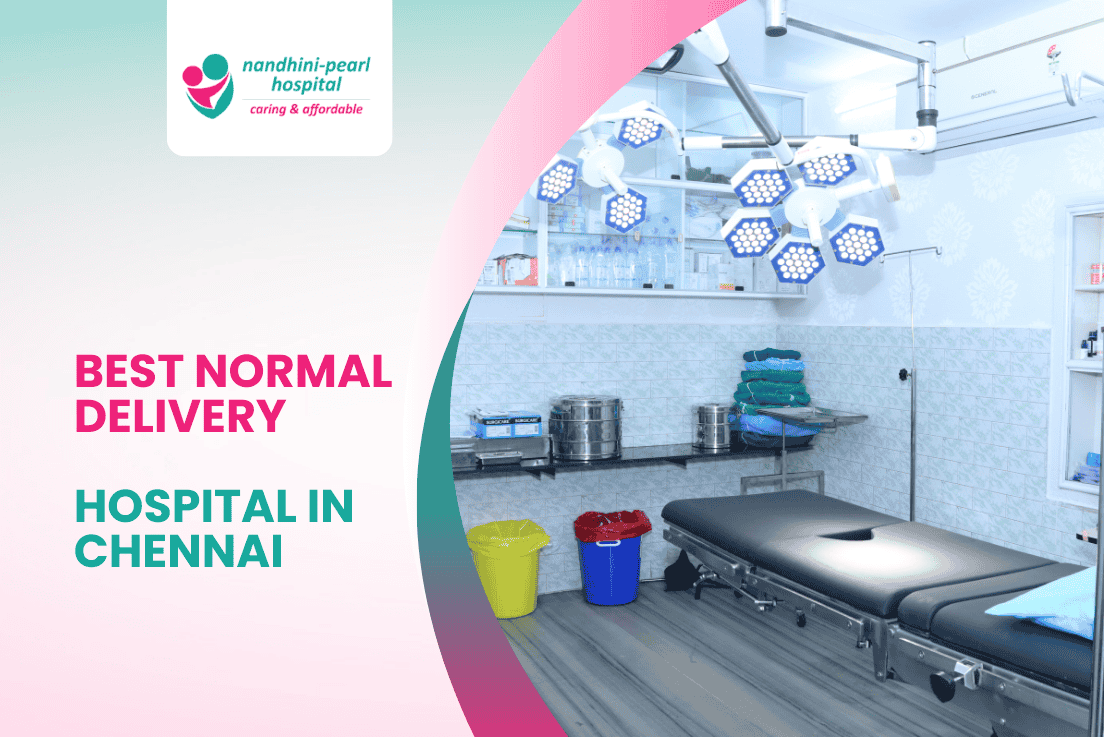
Pregnancy is not just a medical journey—it’s emotional, personal, and life-changing. Every expecting mother dreams of a safe, smooth, and natural delivery. But one question often creates stress: 👉 “Which is the best hospital for normal delivery near me?” If you’re in Chennai, especially around Velachery, this guide will help you understand everything about normal delivery, its benefits, and how to choose the right hospital for a safe childbirth experience. What Is Normal Delivery? Normal delivery (also called vaginal delivery) is the natural process of childbirth, where the baby is delivered through the birth canal without surgery. Unlike cesarean delivery, this method: Follows the body’s natural process Requires minimal medical intervention Supports faster recovery It is considered the safest option for both mother and baby when there are no complications. Why Most Mothers Prefer Normal Delivery Today Many women in Velachery and across Chennai are now choosing natural childbirth—and for good reason. 🌿 1. Faster Recovery You can get back to your normal routine quicker compared to C-section. 💪 2. Lower Risk of Complications No surgical risks like infections or long healing time. 🤱 3. Better Bonding with Baby Immediate skin-to-skin contact and easier breastfeeding. 💖 4. Safer for Future Pregnancies Lower complications in the next pregnancy. 🧘♀️ 5. Natural Body Process Your body is designed for childbirth—normal delivery supports that. Why Choosing the Right Hospital in Velachery Matters Let’s be honest—not every hospital truly supports normal delivery. Some places may rush into C-sections due to time or convenience. But a good maternity hospital will: Encourage natural labour Monitor patiently Intervene only when necessary In areas like Velachery, having a nearby hospital is also critical for emergencies and regular check-ups. While C-sections can be life-saving in certain situations, they also come with potential risks. We want to ensure you’re aware of these: C-section Risks Description Surgical complications Increased risk of infection, blood loss, and organ damage Longer recovery time Extended hospital stay and slower return to normal activities Future pregnancy risks Higher chances of placental problems in subsequent pregnancies Respiratory issues for baby Potential breathing difficulties for newborns Why Nandhini Pearl Hospital – Gynecology & Maternity Care is a Trusted Choice When it comes to safe and natural childbirth in Velachery, this hospital stands out for a reason. 👩⚕️ Experienced Doctors You Can Trust The hospital has a team of highly experienced specialists like: Dr. Chitra Shankar – 30+ years experience, 20,000+ deliveries Dr. Uma Ramesh Dr. Shanthi G Dr. Bhargavi R Dr. Swaathy This level of experience ensures safe handling of both normal and high-risk pregnancies. 🏥 Advanced Maternity Facilities Modern labour rooms Continuous fetal monitoring NICU support for newborns Emergency readiness 24/7 Everything is designed for mother + baby safety. 💖 Patient-Centered Care Approach Personalized birth plans Emotional support during labour Postnatal care & breastfeeding guidance Because childbirth is not just physical ,it’s emotional too. 📍 Prime Location in Velachery ocated in the heart of Velachery: Easy to access Saves travel time during labour Quick emergency support How This Hospital Promotes Normal Delivery Unlike many hospitals, the focus here is on encouraging natural childbirth safely. ✔️ Prenatal Care Programs Regular checkups Baby growth monitoring Early risk detection ✔️ Pregnancy Yoga & Exercise Helps improve: Flexibility Stamina Labour strength ✔️ Childbirth Education Mothers are trained in: Breathing techniques Labour stages Pain management These steps increase the chances of normal delivery significantly. Real Success Behind the Care The hospital has shown consistent improvement in normal delivery success rates: 2022: 85% 2023: 87% 2024: 89% These numbers reflect trust, expertise, and quality care. What Makes a Hospital Best for Normal Delivery? If you’re comparing hospitals in Velachery or Chennai, check these: ✔️ Doctor Experience More experience = safer decisions ✔️ Hospital Philosophy Do they promote natural birth or rush surgery? ✔️ Facilities Labour rooms, NICU, emergency care ✔️ 24/7 Availability Labour doesn’t follow timing! ✔️ Postnatal Support Recovery and baby care matter equally Tips to Increase Chances of Normal Delivery Here are practical tips every expecting mother in Velachery should follow: 🥗 Eat a Balanced Diet Include iron, calcium, protein-rich foods 🚶 Stay Active Walking and light exercise improve stamina 🧘♀️ Practice Prenatal Yoga Strengthens pelvic muscles 🩺 Attend Regular Checkups Early detection prevents complications 🧠 Stay Mentally Calm Stress can affect labour progression When is C-Section Needed? While normal delivery is ideal, sometimes a cesarean is necessary for safety. Common reasons: Baby distress High-risk pregnancy Placenta complications Prolonged labour A good hospital will always prioritize safety over preference. Final Thoughts Choosing where you deliver your baby is one of the most important decisions of your life. If you’re in Velachery or nearby areas of Chennai, choosing a hospital that supports natural childbirth, offers expert care, and stays with you throughout your journey can make all the difference. Because at the end of the day, it’s not just about delivery—it’s about bringing life into the world safely, confidently, and beautifully. Book Your Consultation Today 🏥 Nandhini Pearl Hospital – Gynecology & Maternity Care📍 Velachery, Chennai📞 Phone: +91 59 59 00 00📧 Email: enquiry@nandhini-pearl.in🌐 Website: www.nandhini-pearl.in Book your consultation today for safe and responsible family planning guidance. 💖 FAQs 1. Which is the best hospital for normal delivery in Velachery? Hospitals with experienced doctors, modern facilities, and a natural childbirth approach are considered best. 2. Is normal delivery safe? Yes, for low-risk pregnancies, it is the safest and most natural option. 3. How can I prepare for normal delivery? Regular checkups, healthy diet, exercise, and stress management help. 4. What is the recovery time after normal delivery? Usually within a few weeks, much faster than C-section. 5. Do all hospitals support normal delivery? No, some hospitals prefer surgical delivery. Choose wisely. 6. Can first-time mothers have normal delivery? Yes, with proper care and guidance. 7. Is painless normal delivery possible? Yes, epidural options are available in many hospitals. 8. How long does labour take? It varies, typically 6–12 hours. 9. When should I go to the hospital during labour? When contractions
What is Obstetrics and What Do Obstetricians Do

Obstetrics is an important part of women’s healthcare that focuses on pregnancy, childbirth, and the time after a baby is born. Obstetricians are doctors who help care for women during these stages, making sure both the mother and baby stay healthy. They handle everything from regular checkups to any problems that might come up during labor. Their work is crucial in keeping moms and babies safe and helping families have the best possible outcomes. In this blog, we’ll explain what obstetrics is, what obstetricians do, and why their role is so important for women’s health. Obstetrics You might wonder how this field has evolved over time. Well, let’s take a quick trip back in history. Historical Background In the 17th century, European physicians began attending normal deliveries. This marked a significant shift in obstetrical practice. Before this, midwives primarily handled childbirth. The introduction of forceps during this time was a major advancement. It allowed doctors to assist in difficult births more effectively. The history of obstetrics is closely linked with midwifery, highlighting an inseparable connection between the two fields. Over the years, the development of surgical procedures like cesarean sections and the invention of various instruments have further advanced the practice. Modern Developments Today, obstetrics has come a long way. Modern technology and medical advancements have transformed how obstetricians provide care. Ultrasounds, for instance, allow you to see your baby before birth. This technology helps in monitoring the baby’s development and detecting any potential issues early on. Obstetricians now have access to a range of tools and techniques that ensure both mother and baby receive the best possible care throughout the pregnancy journey. Importance in Healthcare Obstetrics plays a vital role in healthcare. It ensures the well-being of both mothers and infants. Let’s explore why this is so important. Maternal Health Your health during pregnancy is crucial. Obstetricians focus on providing comprehensive care to expectant mothers. They monitor your health, manage any complications, and offer guidance on maintaining a healthy lifestyle. This care reduces the risk of complications like gestational diabetes or hypertension, ensuring a safer pregnancy experience. Infant Health The health of your baby is equally important. Obstetricians work tirelessly to ensure that infants are born healthy. They monitor fetal development, address any concerns, and prepare for a safe delivery. By doing so, they help reduce infant mortality rates and improve overall outcomes for newborns. Role of Obstetricians Image Source: pexels Obstetricians play a vital role in your pregnancy journey. They ensure you and your baby stay healthy from the first trimester to delivery. Let’s dive into what they do. Primary Responsibilities Prenatal Care During pregnancy, prenatal care is essential. Obstetricians monitor your health and your baby’s development. They perform regular check-ups, ultrasounds, and tests to catch any potential issues early. This proactive approach helps you maintain a healthy pregnancy. Labor and Delivery When it’s time for your baby to arrive, obstetricians guide you through labor and delivery. They manage the birthing process, ensuring everything goes smoothly. If complications arise, they have the expertise to handle them, providing you with peace of mind. Specialized Procedures Cesarean Sections Sometimes, a cesarean section becomes necessary. Obstetricians are skilled in performing this surgical procedure. They ensure both you and your baby remain safe during the operation. Their training allows them to make quick decisions when needed. High-Risk Pregnancies High-risk pregnancies require special attention. Obstetricians specialize in managing these complex situations. They work closely with you to address any concerns and provide tailored care. Their goal is to ensure the best possible outcome for you and your baby. Expert Testimony: Obstetricians are your go-to professionals for all things related to pregnancy. They not only deliver babies but also provide treatments to help women become pregnant. In cases of premature birth, they offer guidance in a Neonatal Intensive Care Unit (NICU). Obstetrics is more than just delivering babies. It’s about providing comprehensive care throughout your pregnancy journey. Obstetricians are there every step of the way, ensuring you and your baby receive the best care possible. Education and Training Becoming an obstetrician requires a significant commitment to education and training. If you’re considering this career path, here’s what you need to know about the qualifications and ongoing learning involved. Required Qualifications Medical School Your journey begins with medical school. Here, you gain a broad understanding of medicine, including the basics of obstetrics and gynecology. You’ll study anatomy, physiology, and pharmacology, among other subjects. This foundational knowledge prepares you for more specialized training in obstetrics and gynecology. Medical school typically lasts four years, and it combines classroom learning with hands-on clinical experience. Residency Programs After medical school, you enter a residency program. This is where you dive deep into obstetrics and gynecology. Residency programs usually last four years. During this time, you work under the supervision of experienced obstetricians. You learn how to manage pregnancies, perform deliveries, and handle complications. Residency provides the practical experience you need to become a competent obstetrician. Continuing Education Certifications Once you’ve completed your residency, you must obtain certification to practice as an obstetrician. In India, certification is typically awarded through institutions like the National Board of Examinations in Medical Sciences or after earning an MD or DNB in Obstetrics and Gynecology. This certification demonstrates your expertise and commitment to the field. Additionally, ongoing education and periodic assessments are important for maintaining your skills and staying updated with advancements in obstetrics throughout your career. Specializations Obstetrics is a diverse field, and you may choose to specialize further. Specializations allow you to focus on areas like maternal-fetal medicine or reproductive endocrinology. These require additional training and certification. Specializing can enhance your skills and open up new career opportunities. It also allows you to provide more targeted care to your patients. Interesting Fact: Training takes years – It takes an average of 12-13 years to become an obstetrician, including medical school, residency, and specialized training in pregnancy and childbirth. Education and training in obstetrics are rigorous but rewarding. They equip you with